
How to Keep a Tidy Fridge and Pantry for a Fresh, Organized Kitchen
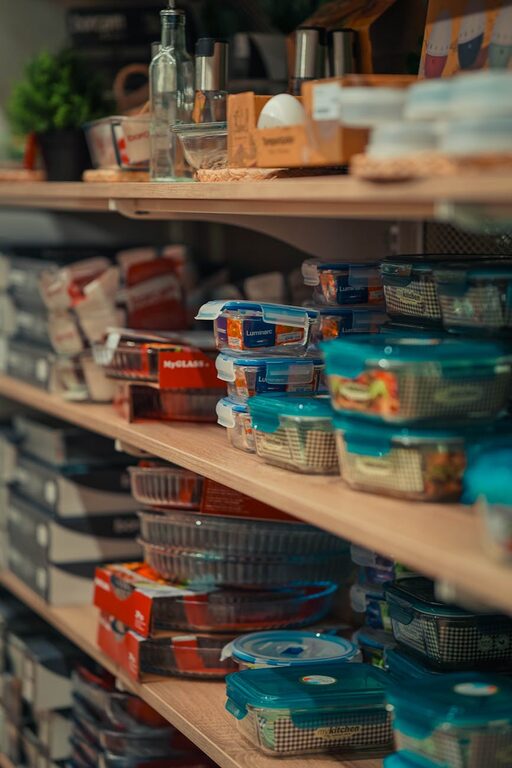
Keeping your fridge and pantry tidy can make a big difference in your kitchen’s efficiency and hygiene. A well-organized space helps you find ingredients quickly, reduces food waste, and even saves money. Whether you have a spacious pantry or a compact fridge, these easy tips will help you maintain order and freshness.
Why Organize Your Fridge and Pantry?
A tidy fridge and pantry not only look nicer but also function better. When your food is well organized:
– You can easily see what you have, preventing duplicate purchases.
– It’s simpler to track expiration dates and use items before they go bad.
– Cleaning becomes less overwhelming.
– Meal planning and preparation are quicker and less stressful.
With regular upkeep, your kitchen space will feel fresh and inviting.
Step 1: Clear and Clean
Before organizing, start with a clean slate.
- **Empty Everything:** Take all items out of your fridge and pantry. This gives you a chance to assess what you need.
- **Check Expiration Dates:** Dispose of anything expired or spoiled.
- **Clean Shelves and Drawers:** Use a mild soap and water solution or a gentle cleaner to wipe down all surfaces. Dry thoroughly to avoid moisture buildup.
- **Use This Opportunity to Declutter:** Donate unopened, non-perishable foods that you won’t use.
Step 2: Group Similar Items Together
Sort your items by category to make finding them easier.
– In the Fridge:
– Dairy products (milk, cheese, yogurt)
– Meats and proteins
– Fruits and vegetables
– Condiments and sauces
– Leftovers
– In the Pantry:
– Grains and pasta
– Canned goods
– Baking supplies
– Snacks
– Spices and seasonings
Grouping similar items together streamlines meal prep and shopping.
Step 3: Use Clear Containers and Labels
Investing in clear storage containers can greatly improve organization.
– Benefits of Clear Containers:
– You can instantly see what’s inside.
– They help keep small items contained and fresh.
– Stackable designs save space.
– Label Everything: Whether you use a label maker, masking tape, or chalkboard stickers, labeling containers and shelves helps everyone in your household know where items belong.
Step 4: Optimize Your Fridge Space
Follow these tips to make the most out of your fridge:
– Top Shelves: Keep ready-to-eat foods like leftovers and drinks here.
– Middle Shelves: Ideal for dairy products.
– Bottom Shelves: Store raw meat and fish here in a sealed container to prevent cross-contamination.
– Crisper Drawers: Use these for fruits and vegetables, adjusting humidity settings if available.
– Door Shelves: Good for condiments, juices, and smaller bottles, as this area experiences the most temperature fluctuations.
Step 5: Make the Pantry Work for You
Maximize pantry space and efficiency:
– Use Baskets or Bins: Group items like snacks or baking supplies in containers for easy access.
– Install Adjustable Shelves: Customize shelf height to store large or small items effectively.
– Rotate Stock: Place newer items at the back and older items in front to use them first.
– Keep Frequently Used Items Accessible: Store everyday essentials at eye level.
– Consider Door or Wall Storage: Hooks, racks, or racks attached to pantry doors can hold spices or small packets.
Step 6: Maintain Regularly
Keeping your fridge and pantry tidy is an ongoing task.
– Weekly Check: Look through your fridge and pantry before shopping to note what you have and what’s running low.
– Monthly Clean: Wipe down shelves and check expiration dates regularly.
– Practice “First In, First Out” (FIFO): Use older items before newer ones.
– Encourage Household Participation: Make it a shared responsibility by assigning tasks.
Extra Tips for a Fresh and Organized Kitchen
– Use Airtight Containers: These keep food fresher longer and prevent spills.
– Place Baking Soda in Your Fridge: It absorbs odors and keeps the fridge smelling fresh.
– Avoid Overloading: Give air space in both your fridge and pantry to maintain temperature and airflow.
– Create a Meal Planner or Inventory List: Keep a simple list on the fridge door to track what you have and plan meals accordingly.
Conclusion
Organizing your fridge and pantry doesn’t have to be overwhelming. By clearing out, grouping items, using clear containers, and maintaining your spaces regularly, you can create a kitchen environment that’s both functional and pleasant. A tidy fridge and pantry save you time, money, and frustration—making cooking and eating at home more enjoyable.
Start with small steps, and soon you’ll notice the positive impact of a well-organized kitchen!
Related Post

Simple Tips for Keeping Your Towels Fresh and Fluffy
Discover easy, effective ways to keep your towels soft, fresh, and fluffy after every wash. [...]

How to Journal for Clarity and Focus in Your Daily Life
Discover practical journaling techniques to boost your clarity and focus, helping you stay organized and [...]

Tips for Keeping Towels Fresh and Fluffy Every Day
Discover simple yet effective ways to keep your towels fresh, soft, and fluffy for longer [...]